Hello from the farm,
Now that one is allowed to be anything they choose, it's time to tell you that I identify as Italian, especially when it comes to food.
In early 2022 I was in northern Italy, watching our daughter Charlotte, ski-race training on the edge of farmland. There were two things that fascinated me.
First, the Italian lifty. He smoked non-stop and always had a glass of red wine in hand. On sunny afternoons he upgraded to a spritz. I respected his commitment.
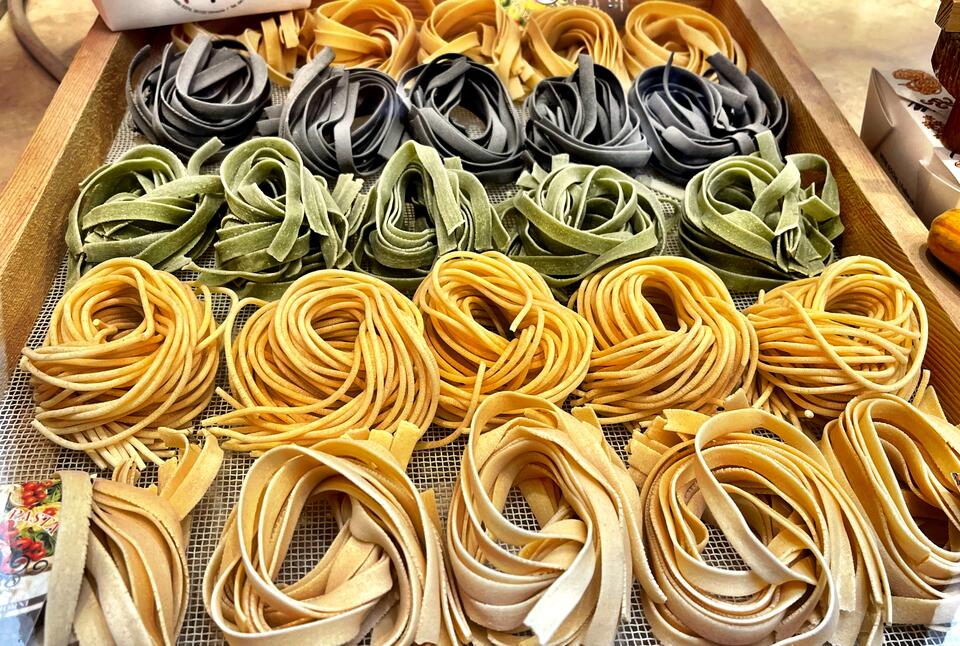
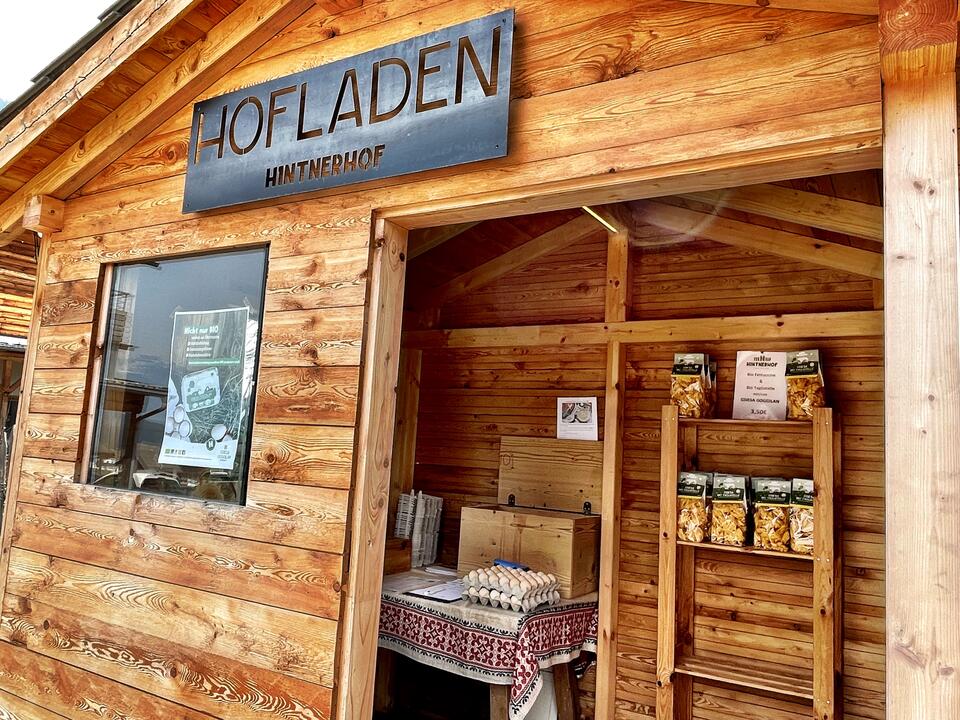
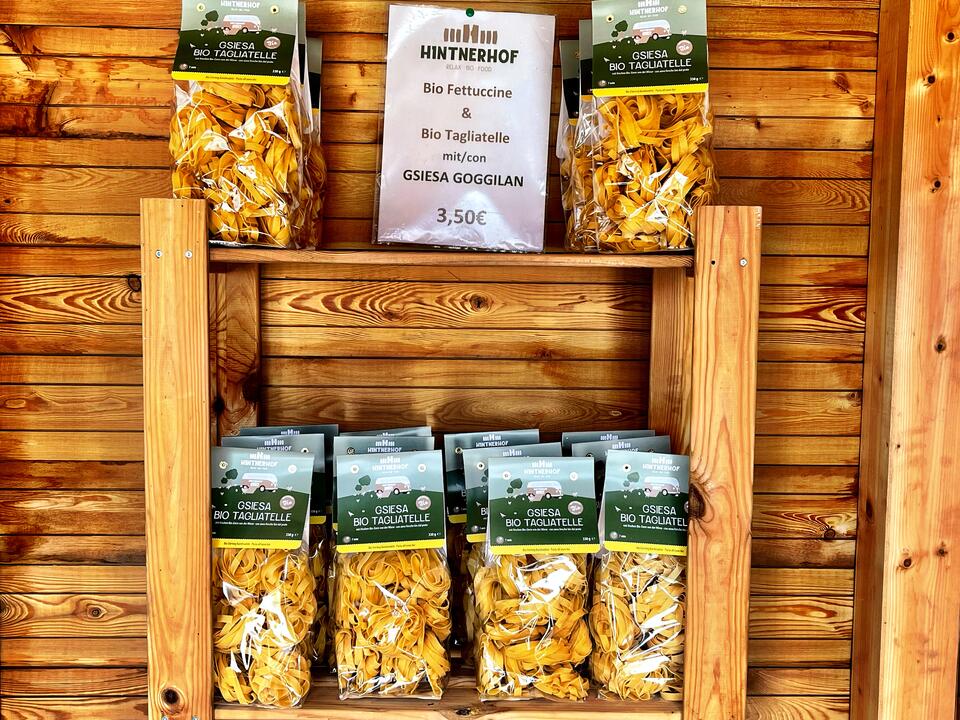
Second, the small sheds scattered through the neighbouring paddocks, glowing warmly in the evenings. They turned out to be trailers for pastured hens. At the gate of the farm was a simple stand selling pasture-raised eggs and homemade egg pasta. I remember standing there thinking, That's it. That's what I'm doing when we get home.
So over much vino with my friend Jo (and extraordinary food, as one does in Italy), I decided then and there: we would get chickens, produce eggs, and make pasta.
It turns out that when your eggs are in high demand, they leave the farm before they can become fettuccine!
Every time I consider allocating eggs to pasta production, they are already spoken for. A good problem to have, but still an unfinished project for our Farmhouse Kitchen. So for now, we make pasta occasionally at home and the Italian fantasy remains on my "to do" list.
Farmhouse Kitchen Method
A rookie mistake when making pasta is measuring flour by the cup. If you're going to make pasta, use scales. This method does not fail.
Homemade Pasta
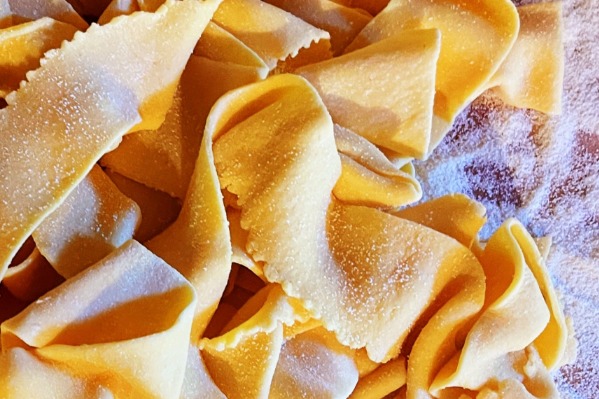
*300g 00 pasta flour (for silky smooth egg pasta)*
*185g total wet ingredients
*2 large eggs
*3 large yolks
*Add enough water to bring the total to 185g.
You can absolutely chuck everything into the food processor and let it do most of the work, but finish it by hand. Knead until smooth and elastic. Wrap it and let it rest for at least 30 minutes before rolling it out or putting it through the pasta machine. Once cut, I like to toss mine with Australian semolina flour.
Cook in salted water for 2–4 minutes until al dente
Buon appetito.